The Horn of Africa remains one of the world’s most strategic yet volatile regions. Bounded by the Red Sea, the Gulf of Aden, and the Indian Ocean, it connects Africa to global seaborne trade and geopolitics. Its continental position has transformed it into a stage for overlapping power rivalries, interstate disputes, internal governance challenges, and new strategic alignments that are reshaping regional order.
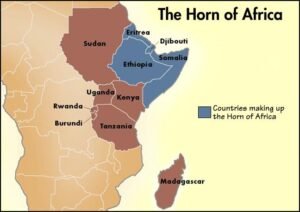
Map of Horn of Africa
Geopolitical Context: A Region in Flux
Comprised principally of Ethiopia, Somalia, Djibouti, and Eritrea, the Horn also includes the semi-autonomous region of Somaliland and other contested spaces. Its significance stems from both local dynamics and global strategic interests.
Major Challenges Today
-
Sovereignty and Territorial Disputes
Territorial integrity remains a core flashpoint. Somalia and Somaliland represent a prime example: while Somaliland declared independence in 1991 and maintains functioning institutions, it lacks broad international recognition. Mogadishu continues to assert sovereignty over its territory, seeing any formal recognition as a violation of Somalia’s territorial integrity.
-
Regional Rivalries and Strategic Access
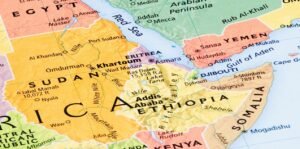
Map of Red Sea and Golf of Aden
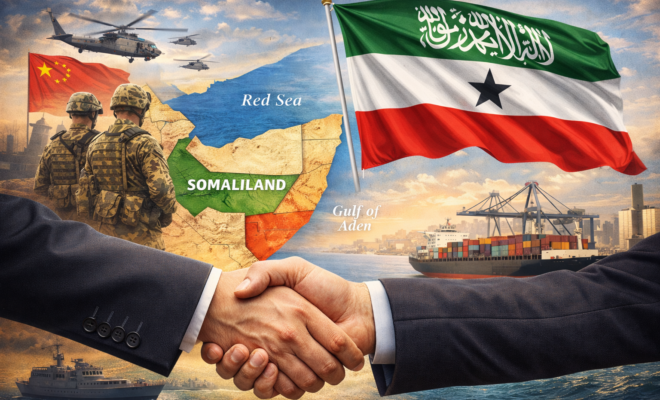
Ethiopia’s quest for sea access has intensified geopolitical competition. Historically landlocked since Eritrea’s independence, Ethiopia has sought alternative routes to ports—most recently through deals with Somaliland, including an agreement to lease coastal territory near Berbera port in exchange for implicit future recognition of Somaliland’s sovereignty.
This pact provoked tensions with Somalia and drew in external actors, including Turkey as a mediator and Egypt with vested interests in Red Sea geopolitics. Such alignments reflect competing visions of influence across the Red Sea and Gulf corridors.
-
External Power Competition
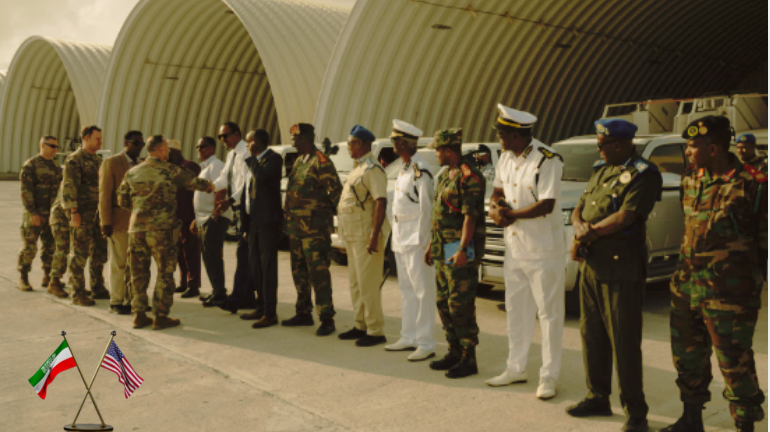
The Horn is now a theatre of global contestation. China’s military base in Djibouti anchors Beijing’s influence over the Bab el-Mandeb strait, while Western and Gulf interests pursue alternative footholds at strategic ports like Berbera.
These external entanglements complicate localized security concerns and divert cooperation from collective conflict mitigation towards competitive alignments.
-
Intrastate Conflict and Fragility
Somalia’s ongoing political fragility, the insurgency of al-Shabaab, and internal contestations within Ethiopia and Eritrea add layers of complexity to regional stability. Proxy relationships have emerged, with powers like Turkey, Egypt, UAE, and now Israel involved in varying degrees.
Somaliland: Risks, Opportunities, and Rising Agency
Despite the challenges, Somaliland offers a case study in strategic adaptation. Its model of relative stability—democratic governance, functional institutions, and peace absent in many neighbouring states—sets it apart.
International Recognition: A Turning Point
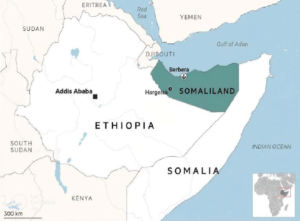
Map of Republic of Somaliland
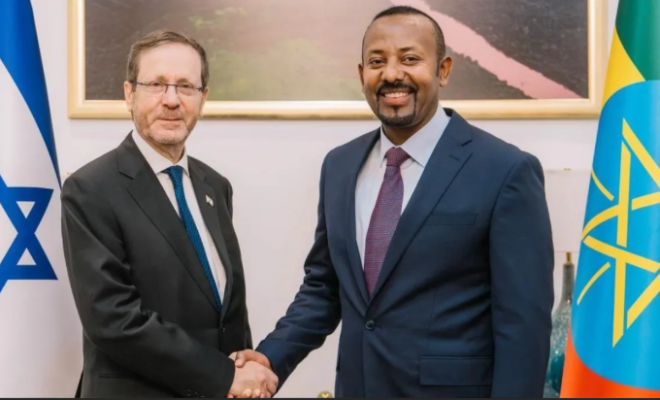
In late 2025, Israel became the first country to formally recognise Somaliland as a sovereign state, establishing full diplomatic relations. This historic move has sent shockwaves through regional geopolitics, provoking both praise and backlash. Somalia condemned the decision, while critics argue it could destabilise established norms of African state borders.
Recognition challenges the African Union’s principle of uti possidetis, which seeks to preserve colonial era boundaries, and could act as a precedent for separatist movements across the continent.
Strategic Model for Navigating Challenges
Somaliland’s strategic resilience lies in three main dynamics:
- Political Stability and Governance
Unlike parts of Somalia beset by prolonged conflict, Somaliland has sustained decades of democratic elections and orderly governance structures. This internal stability enhances its credibility as a partner for external powers seeking reliable alliances in the region.
- Economic Engagement
The strategic Berbera port is a major asset, attracting investment and offering Ethiopia a lift to accessing global markets. With the right partnerships and investment frameworks, Somaliland could pivot from a peripheral player to a maritime and trade hub for the wider region.
- Diplomatic Balancing
Somaliland faces the delicate task of managing external rivalries without overtly aligning with any single power bloc. Balancing ties with Gulf states, Western democracies, and neighboring capitals—without jeopardising its claims to autonomy—will be crucial.
Conclusion: A Strategic Crossroads
The Horn of Africa is at a geopolitical crossroads. Enduring challenges—territorial disputes, external rivalries, fragile governance, and security threats—require nuanced diplomacy and cooperative frameworks beyond zero-sum contests.
Somaliland’s example demonstrates that strategic stability, institutional legitimacy, and careful diplomacy can serve as a pathway through this complexity. As new recognition moves unfold and regional partnerships evolve, actors throughout the Horn must prioritize inclusive dialogue, conflict resolution, and shared economic interests if long-term stability is to be realised.
References
- Council on Foreign Relations, Somaliland: The Horn of Africa’s Breakaway State.
- Ethiopia Insight, Geopolitical Ripple Effects of Somaliland’s Recognition.
- African Arguments, The Horn and the Gulf: New Geopolitical Confluence.
- Reuters, “Israel becomes first country to recognise Somaliland.”
- Reuters, “Israel defends Somaliland move at UN.”
- AP News, Ethiopia and Somalia hold technical talks.
- Somaliland geopolitical briefs: regional movements and rivalries.


Leave a reply
You must be logged in to post a comment.