Security, Trade, Climate, and Global Influence Shape Africa’s 2026 Agenda
By Africa Diplomat Journal
Addis Ababa | 15–18 February 2026
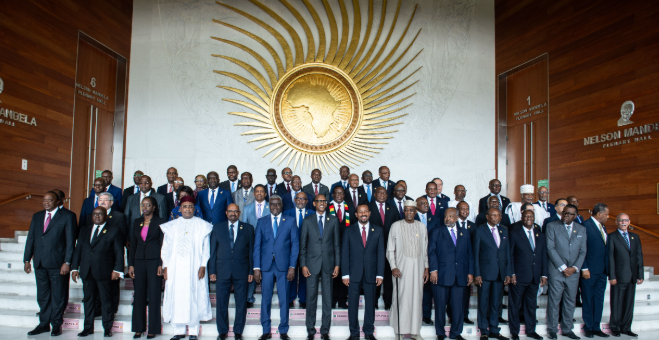
Opening Scene: A Summit with High Stakes
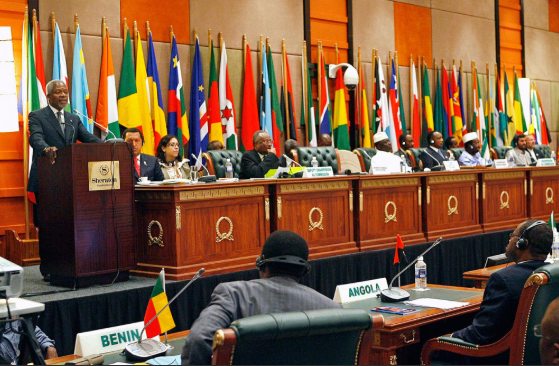
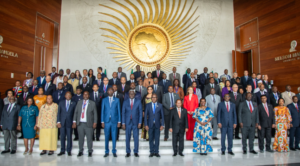
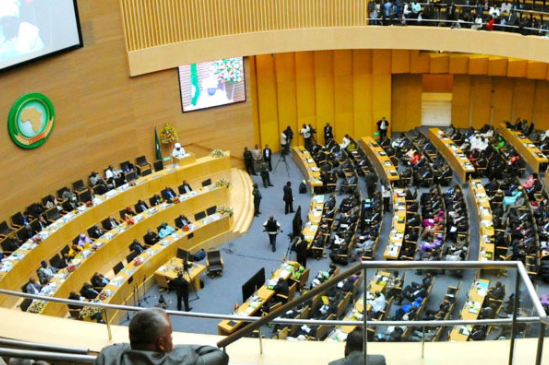
Inside the conference halls of Addis Ababa, the annual gathering of the African Union unfolded against a backdrop of cautious optimism. Delegations arrived carrying a mix of urgent concerns—conflict, debt pressures, climate shocks—and a shared ambition to accelerate continental integration.
Over four days, leaders debated how to translate long-standing frameworks into measurable progress, signalling a shift from vision-setting to implementation.
Peace and Security
Toward Faster, Better-Funded Responses
Security dominated early discussions, reflecting the reality that a significant share of member states continue to grapple with instability. AU briefings indicated around one-third of countries face active or recent security challenges, reinforcing calls for predictable financing of African-led missions.
“Collective security remains the cornerstone of Africa’s stability.”
— Moussa Faki Mahamat
Countries including Nigeria and Kenya advocated expanded intelligence cooperation, with policy analysts estimating improved coordination could cut crisis response times by up to 30% in coming years.
Security Snapshot
-
~30% of AU member states affected by conflict or instability
-
Growing emphasis on African-led peace operations
-
Calls for predictable, long-term peacekeeping funding
Economic Integration
Trade Ambitions Meet Practical Barriers
Economic transformation formed the summit’s central pillar, with progress reviews of the African Continental Free Trade Area dominating ministerial sessions.
Current AU figures suggest intra-African trade now accounts for roughly 16–18% of exports, a gradual but notable rise.
“We must translate policy into tangible cross-border trade flows.”
— Wamkele Mene
Pilot digital trade corridors in Ghana and South Africa—which reduced cargo clearance times by up to 40%—were showcased as scalable solutions.
Trade by the Numbers
-
16–18%: Share of intra-African trade in total exports
-
Up to 40%: Reduction in cargo processing times in pilot corridors
- ~7%: Estimated GDP boost from full AfCFTA implementation by 2035
Climate and Development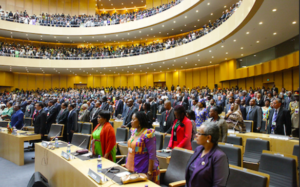
Financing the Continent’s Resilience
Climate discussions carried a sense of urgency. Despite producing under 4% of global emissions, African economies face disproportionate exposure to climate shocks.
“Africa contributes the least to emissions but faces the greatest risks.”
— William Ruto
Delegations from Ethiopia and Senegal highlighted renewable energy pipelines expected to add multiple gigawatts this decade.
Climate Reality Check
-
<4%: Africa’s share of global emissions
-
$100B+: Estimated annual climate-finance gap
-
Rapid expansion of solar and renewable capacity across regions
Governance and Democratic Norms
Institutions Under the Spotlight
Another key theme was democratic governance, with the AU reporting it had deployed observation missions to over a dozen elections in recent years.
“Credible institutions are essential for sustainable development.”
— Nana Akufo-Addo
Case discussions focused on reforms and electoral processes in Liberia and Tunisia.
Governance Indicators
-
Dozens of AU election observation missions conducted recently
-
Growing emphasis on judicial independence
-
Expanded peer-review and accountability initiatives
Africa on the Global Stage
Partnerships and Influence
The summit closed with a forward-looking conversation about Africa’s place in a shifting geopolitical landscape. Leaders called for deeper engagement with major partners, including China and the European Union.
“Africa must engage globally on equal footing.”
— Azali Assoumani
Foreign direct investment flows into Africa, estimated at around $90 billion annually, were cited as evidence of growing global interest.
Global Engagement
-
~$90B: Recent annual FDI inflows to Africa
-
Rising investment in digital infrastructure and energy
-
Push for stronger representation in global institutions
The Road Ahead
From Commitments to Delivery
Taken together, the February summit painted a picture of a continent balancing urgent challenges with long-term opportunity. The emphasis on measurable outcomes—whether faster peace operations, increased trade volumes, or expanded climate financing—reflects a pragmatic turn in continental policymaking.
The coming year will test whether political consensus can translate into implementation. For now, the message from Addis Ababa is clear: Africa’s leaders are intent on shaping a more integrated, resilient, and influential future.
Africa Diplomat
Editorial

Leave a reply
You must be logged in to post a comment.