How the presidential visit reflects emerging alliances, Red Sea security competition and regional power shifts?
Executive summary

President Isaac Hersog left with Priminster Abiy Ahmed right during visit in Addis Ababa
The president of Isreal Mr Isaac Herzog arrived in Addis Ababa on 25 Feb 2026 for a two-day state visit, meeting with Ethiopian leaders including Prime Minister Abiy Ahmed and President Taye Atske Selassie. The visit was aimed at strengthening bilateral ties — occurs at a moment of unusually high geopolitical flux in the Horn. It intersects with three major dynamics:
-
Israel’s expanding Africa strategy and particularly along Red Sea security corridors.
-
Ethiopia’s search for maritime access and diversified alliances.
-
Regional tensions triggered by Israel’s recognition of Somaliland, which has reshaped alignments among Somalia, Ethiopia, Turkey, Egypt, and Gulf actors.
Together, these factors mean the visit is less ceremonial and more about positioning in a rapidly evolving strategic theatre.
What we know about the visit
-
Talks focused on strengthening bilateral ties, innovation, trade, and regional issues.
-
Herzog described Ethiopia as a “key African partner” and emphasised deep historical ties.
-
The visit is widely seen as part of Israel’s broader push to expand diplomatic influence across Africa.
This framing suggests that the visit is designed to consolidate an already intensifying diplomatic trajectory rather than inaugurate a new one.
Strategic context: Why Ethiopia matters to Israel?
1. Red Sea and maritime security
The Horn sits astride one of the world’s most critical shipping routes. Israel’s growing interest is closely tied to security concerns across the Red Sea corridor and especially amid instability and maritime threats.
-
Analysts note Israel’s regional moves are linked to security and counterterrorism considerations tied to shipping lanes and proximity to Yemen.
Implication: Closer ties with Ethiopia — a major regional power bordering Somaliland — help Israel anchor influence near these routes without relying solely on Gulf partnerships.
2. Somaliland recognition as a geopolitical catalyst
Israel’s late-2025 decision to recognize Somaliland dramatically shifted regional politics:
-
The move triggered global backlash and accusations of undermining Somalia’s sovereignty.
-
Somaliland’s strategic location near major shipping lanes increases its geopolitical value for security cooperation.
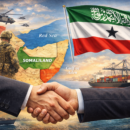
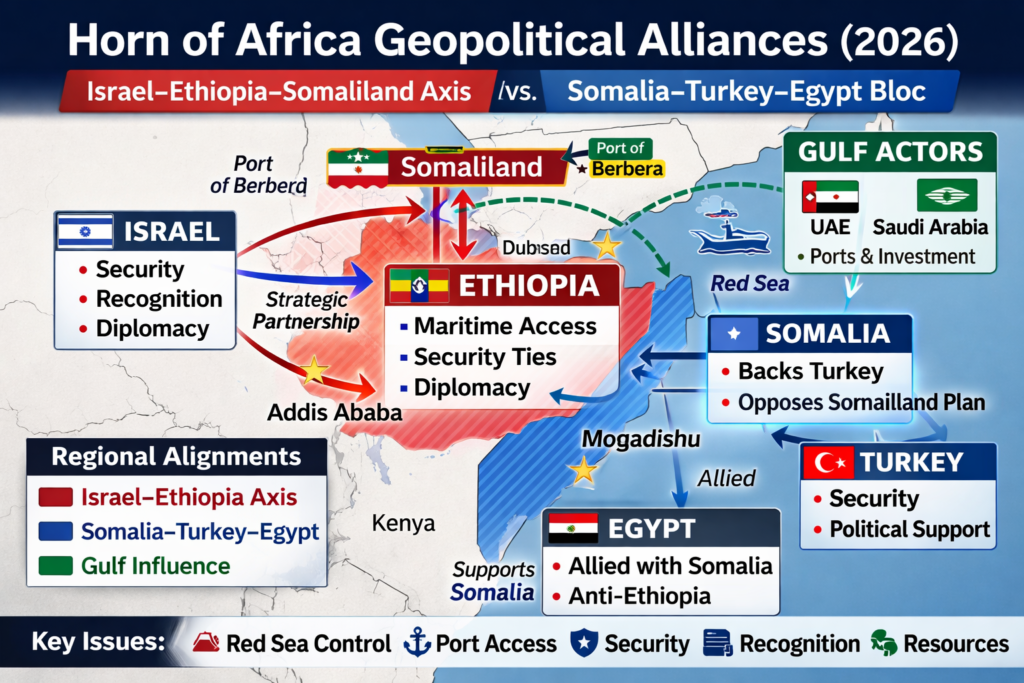
Because Ethiopia borders Somaliland and has pursued access to the sea, the Herzog visit is widely interpreted as part of a triangular strategic alignment: Israel – Somaliland – Ethiopia
This alignment potentially counters Somalia’s position and complicates African Union consensus.
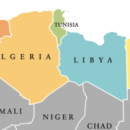
Horn of Africa geopolitical alignment map
Ethiopia’s perspective: Strategic diversification
1. Quest for sea access and leverage
Ethiopia is landlocked since 1993 and has been actively pursuing maritime options. Analysts link this ambition to its diplomatic convergence with Israel on regional security issues.
Why this matters?
Closer ties with Israel strengthen Ethiopia’s bargaining power vis-à-vis Somalia, Djibouti, and Gulf actors.
2. Balancing external powers
The visit occurs amid intense diplomatic activity in Addis Ababa:
-
Turkey’s president recently visited, underscoring Ankara’s expanding economic and security footprint.
-
India and others are also deepening ties with Ethiopia reflecting its role as a major regional hub.
Interpretation: Ethiopia is pursuing a multi-alignment strategy, positioning itself as indispensable to multiple external powers rather than aligning exclusively.
Regional ripple effects
Somalia
Israel’s Somaliland policy — and closer Ethiopia ties — risks deepening Somalia’s diplomatic isolation and hardening its stance, potentially increasing friction along the Ethiopia–Somalia axis.
Turkey
Ankara has openly warned against moves that could introduce new conflicts in the Horn, highlighting fears of external power competition. Also Turkey has been granted an oil exploration in Somalia and will have an impact if Somaliland offically gain a sit in the UN. sour
Gulf states & Egypt
Although less explicit in current reporting, both have stakes in Red Sea security. Israel’s growing footprint could either complement or compete with their influence depending on cooperation frameworks.
Implications for Horn geopolitics
1. Emergence of competing blocs
The visit reinforces a nascent alignment:
-
Israel + Ethiopia (+ potentially Somaliland)
contrasted with
-
Somalia + supportive partners (e.g., Turkey, some Arab states)
This bloc formation increases the risk of proxy competition rather than direct conflict.
2. Red Sea becoming a strategic theatre
With global trade and security stakes, external powers are increasingly treating the Horn as part of a broader Indo-Mediterranean security arc.
Herzog’s trip symbolically embeds Israel deeper into that architecture.
3. African Union dynamics
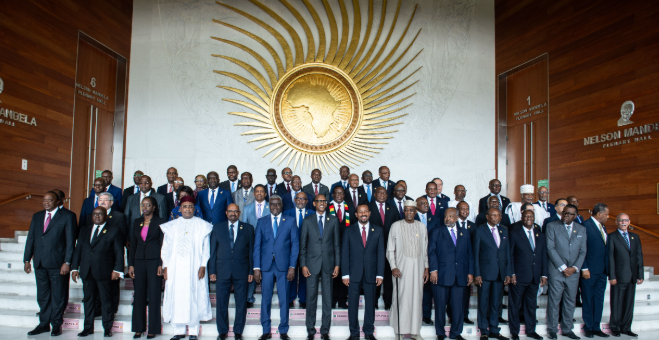
Given past tensions between Israel and the AU, deeper bilateral ties with Ethiopia (host of AU headquarters) may also be an attempt to rebuild influence within continental institutions.
Outlook: What to watch next
-
Security or port agreements — any announcement would signal a shift from diplomacy to operational cooperation.
-
Somalia’s diplomatic response — especially at the AU or UN.
-
Coordination with Gulf partners — which could determine whether competition or alignment dominates the Red Sea arena
Bottom line:
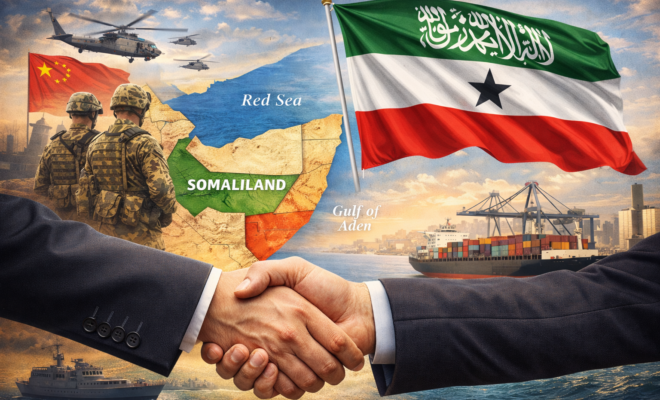
The visit is geopolitically significant not because of immediate agreements, but because it consolidates a strategic triangle linking Israel to the Horn’s most consequential power (Ethiopia) and Somaliland’s strategic location and Port of Berbera at a moment when maritime access, recognition politics, and great-power competition are all intensifying.


Leave a reply
You must be logged in to post a comment.