West Africa Regional News Briefing
1. Deadly Massacre in Nigeria Sparks Security Crackdown
At least 162 people were killed in early February after suspected Islamist militants attacked villages in Kwara State, western Nigeria. The assault—one of the deadliest in months—triggered nationwide outrage and prompted the government to deploy additional troops to the area as authorities investigate which militant faction was responsible.
2. U.S. Strike Controversy Raises Civilian Safety Concerns
A U.S. military strike targeting suspected militants in Nigeria has come under scrutiny after unexploded missiles landed in civilian areas, damaging homes and injuring residents. Analysts say the incident has intensified debate over foreign military involvement and intelligence reliability in the Sahel conflict.
DEEP ANALYSIS : West Africa’s Security, Politics, and Economic Shifts
Security Landscape: Persistent Insurgency and Expanding Threats
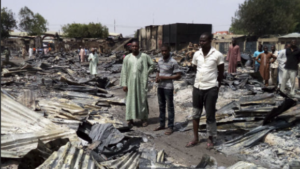 Security remains the dominant issue shaping West Africa’s trajectory in 2026.
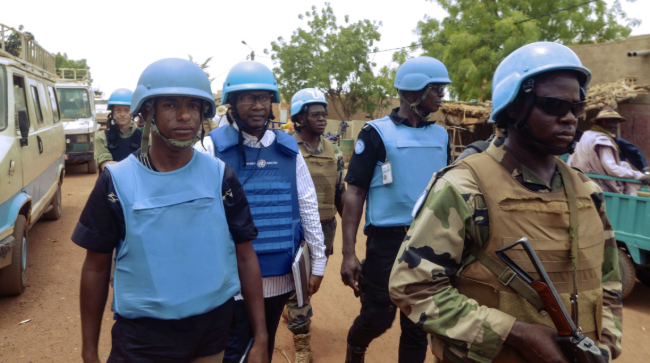
In Nigeria, militant violence continues to destabilise communities. The 2026 Kwara State attacks prompted the federal government to deploy troops under a new military operation aimed at protecting villages and containing extremist groups.
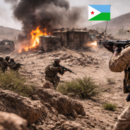
Meanwhile, Islamist groups linked to Boko Haram and ISWAP carried out coordinated attacks in Borno State, targeting both construction workers and military installations, causing dozens of deaths.
Across the Sahel, instability has also intensified. A large-scale assault on Diori Hamani International Airport in Niger in January 2026 demonstrated the operational capacity of Islamic State-linked factions, which destroyed aircraft and briefly occupied parts of the facility.
Together, these incidents highlight a pattern: militant groups are not only sustaining attacks but targeting infrastructure and strategic assets, signalling an evolution in tactics.
Political Trends: Coups, Military Rule, and Civil Liberties
West Africa’s political environment is undergoing a significant transformation.
Human rights reporting indicates that several junta-led governments in the region tightened restrictions on civil liberties as they consolidated power through 2025 and into 2026.
At the same time, regional security cooperation is being reshaped. The Alliance of Sahel States—a bloc uniting Mali, Burkina Faso, and Niger—has launched a joint military force to coordinate counter-insurgency operations across borders, marking a shift away from traditional regional frameworks.
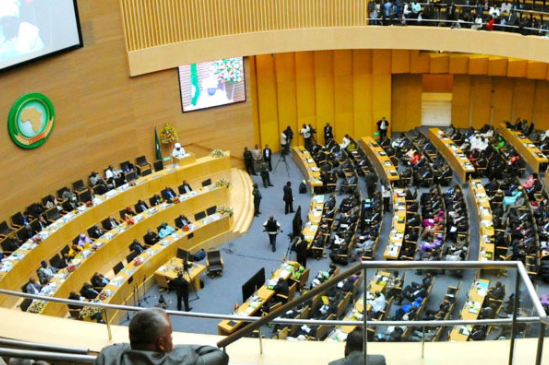
This evolving geopolitical architecture reflects a broader trend: the weakening of older multilateral institutions and the rise of new security alliances centred on military governments.
Economic Outlook: Debt, Development, and Resource Strategy
Economically, the region faces a complex mix of opportunity and risk.
Regional debt issuance within the West African monetary union is projected to increase by nearly 28% in 2026, reflecting both rising financing needs and continued investor appetite.
At the same time, development initiatives are moving forward. A new climate-smart rice programme spanning 14 countries aims to boost food security and agricultural resilience, signalling efforts to address structural vulnerabilities in the region’s food systems.
In the natural-resources sector, governments such as Burkina Faso are negotiating new mining partnerships to strengthen domestic industry and capture greater long-term value from mineral wealth.
Regional Cooperation and Emerging Priorities
Security at sea is becoming a growing focus as well.
Five ECOWAS countries have committed to a coordinated maritime security initiative, with joint operations expected to launch in 2026 to combat piracy and illicit trafficking along the Gulf of Guinea. “source
At the same time, policy discussions are expanding beyond security to include media sustainability and digital regulation, with regional organisations exploring ways to ensure global tech companies compensate local news industries.
Key Takeaways
-
Security remains the central challenge, with insurgent groups demonstrating resilience and tactical sophistication.
-
Political power is shifting, as military governments deepen control and form new alliances.
-
Economic prospects are mixed, combining rising debt with major development and agricultural initiatives.
-
Regional cooperation is evolving, particularly in maritime security and digital policy.Africa Diplomat Editor

Leave a reply
You must be logged in to post a comment.